
“Any time while I was a slave, if one minute’s freedom had been offered to me, and I had been told I must die at the end of that minute, I would have taken it—just to stand one minute on God’s earth a free woman—I would.”
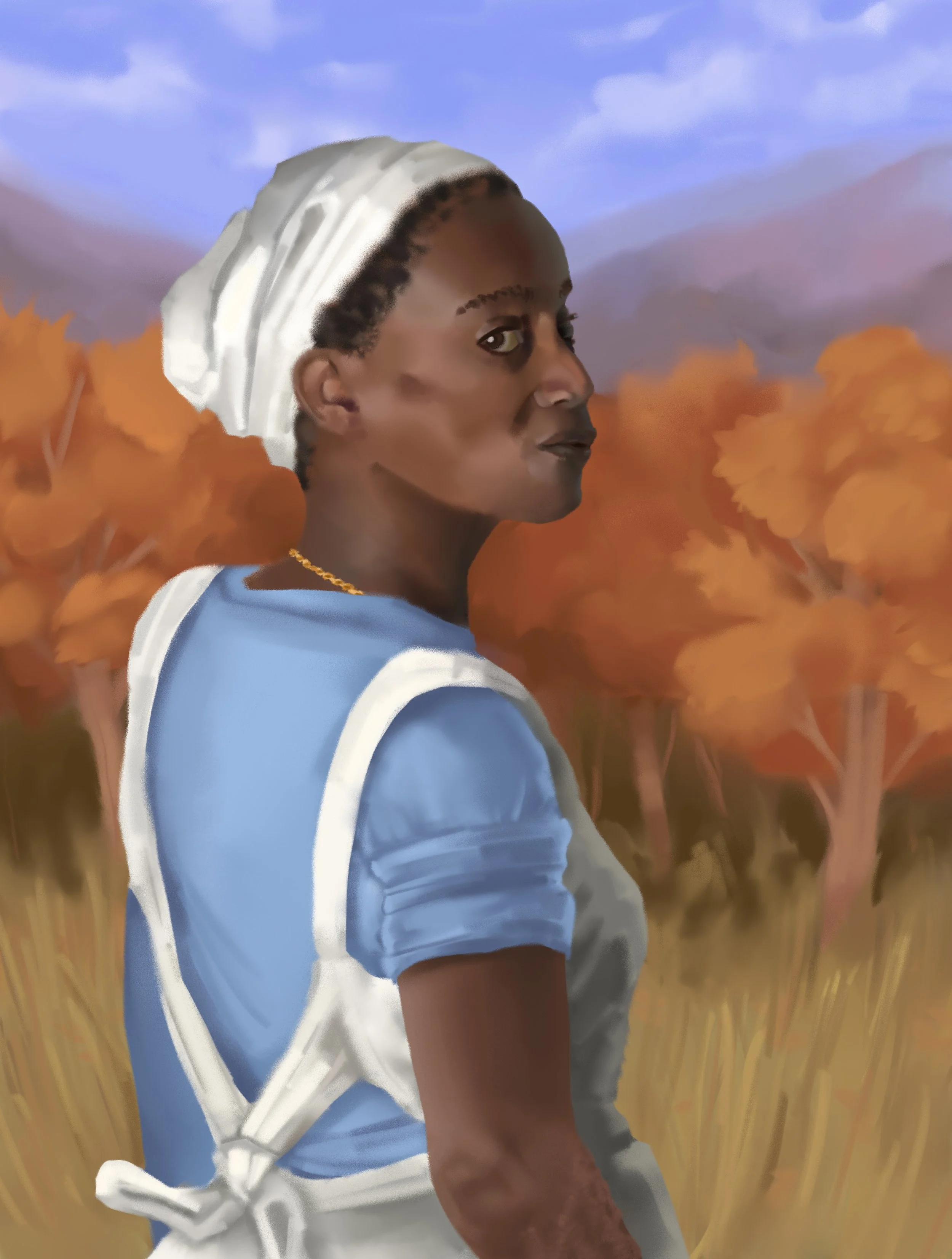
Emma Sunnerberg, Massachusetts College of Art and Design
The Du Bois Freedom Center is Proud to Be Honoring, Celebrating, and Sharing the Story, Life, and Legacy of
Elizabeth Freeman
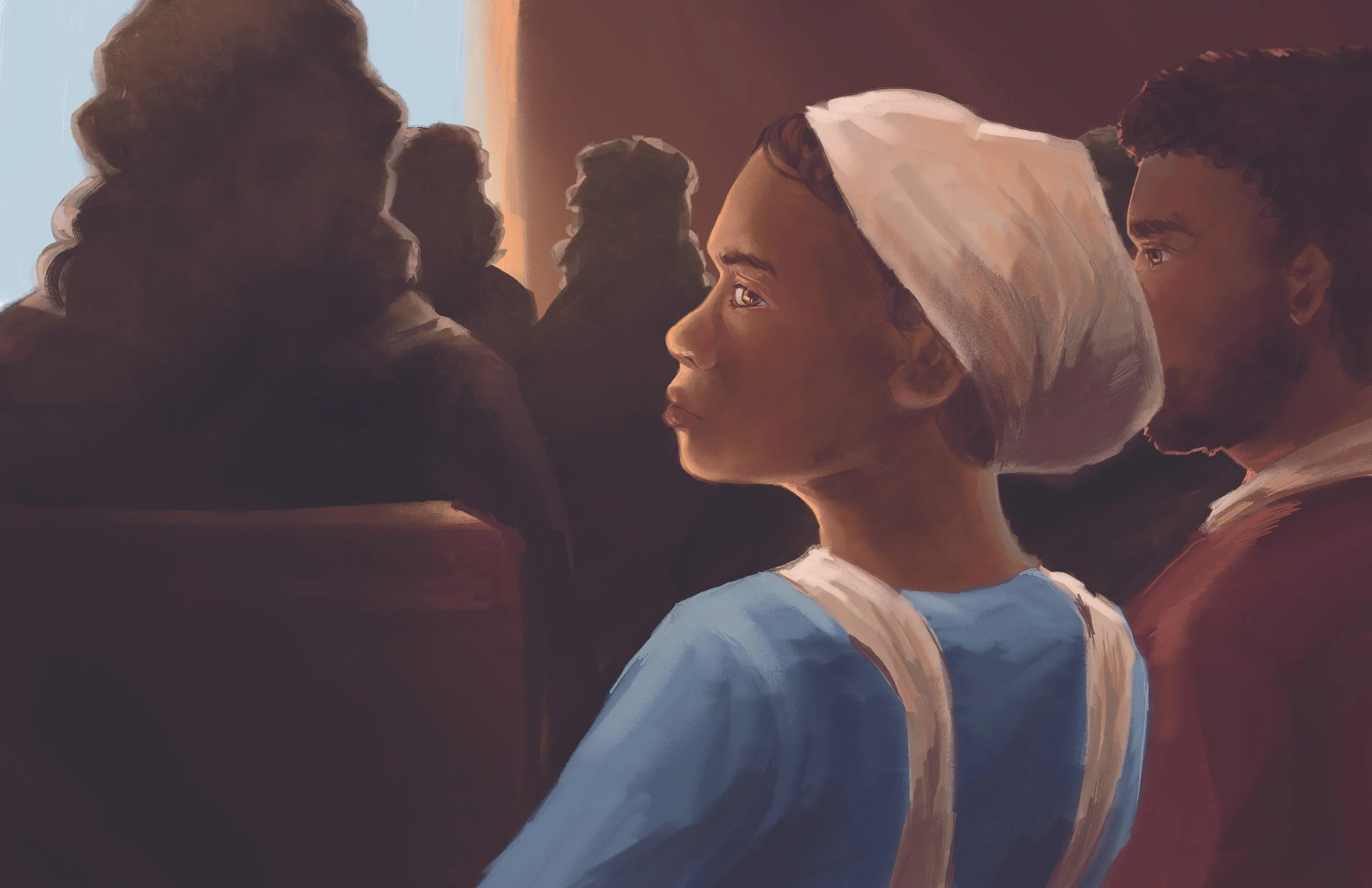
Abby Glover, Massachusetts College of Art and Design
In 1781, an enslaved woman named Elizabeth Freeman walked into a courtroom and changed history.
Known as Mum Bett, Freeman became the first enslaved person to successfully sue for her freedom under the Massachusetts Constitution.
In the landmark case Brom & Bett v. Ashley, she argued that the Constitution's declaration that "all men are born free and equal" applied to her.
The court ruled in her favor, establishing a legal precedent that contributed to the abolition of slavery in Massachusetts.
We Invite You to Join Us for
Our Special Events
as We Explore the History of the First Enslaved Woman to Win Her Freedom in a Court of Law Under the New Massachusetts Constitution in 1781
-
Elizabeth Freeman Reimagined:
A Unique Exhibit of Student-Led Works Celebrating the Life, Story and Legacy of Elizabeth Freeman in Collaboration with Massachusetts College of Art and Design
July 17-October 30, 2026
309 Main Street, Great Barrington
-
"Enslavement and Freedom: Elizabeth Freeman and the American Revolution"
A Panel Discussion
Past Event -July 15, 2026 5:30-7 pm
The Mount
A Video Recording of this Great Conversation is Available
-
"Elizabeth Freeman's Declaration of Independence"
A Family Reading and Exhibit Tour with Author Jana Laiz, Author of ‘A Free Woman on God’s Earth: The True Story of Elizabeth "Mumbet" Freeman
TBA
Du Bois Freedom Center
309 Main Street, Great Barrington
-
'1781, the Story of 'MumBett' - A Staged Reading with the Berkshire Theatre Group
August 20 and 21, 2026
2 pm
Unicorn Theatre Stockbridge
6 East Street, Stockbridge, MA
-
Walk in Elizabeth Freeman's Footsteps
Commemorate Elizabeth Freeman’s 4-Mile Walk to Freedom. Join the Berkshire County Historical Society, Crow Flies Press and the Du Bois Freedom Center as we walk in Elizabeth Freeman’s footsteps.
August 22
8:30-10:30 am
Starting at The Ashley House and Concluding at The Sedgwick House
-
Ashley House Elizabeth Freeman Celebration
Gather for a joyful day of reflection, learning, and community at the return of this annual celebration honoring the life and legacy of Elizabeth Freeman.
Saturday, August 22, 2026
10AM-3PM -
Elizabeth Freeman Story Kiosk Unveiling
A Community Dedication and Celebration of a Permanent Interactive Story Telling Kiosk Celebrating the Life and Legacy of Elizabeth Freeman
August 22, 2026
3pm
Great Barrington Town Hall
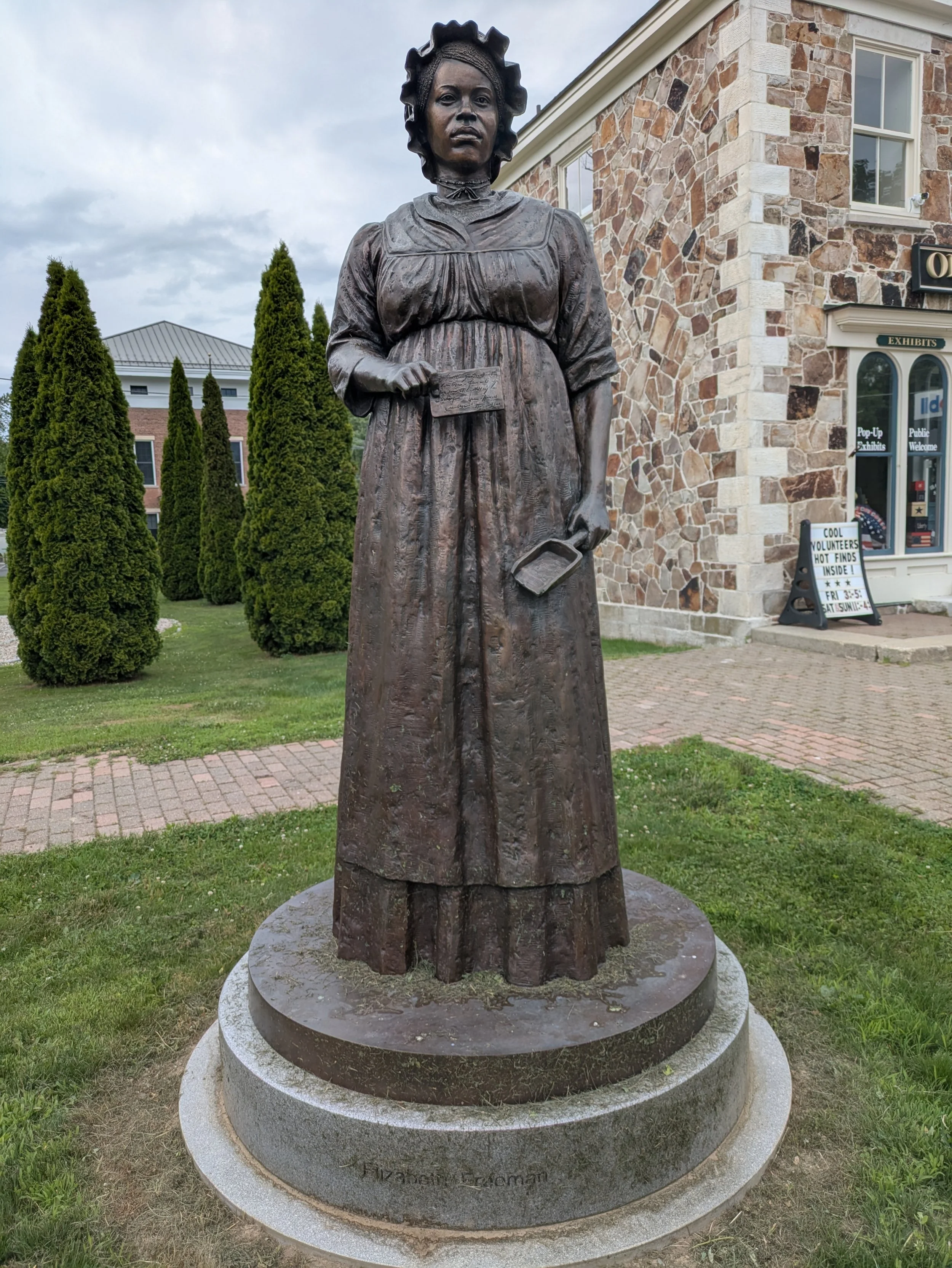
Elizabeth Freeman’s verdict was not just a personal victory — it was a turning point in the history of American freedom.
After gaining her freedom, Freeman made her home in Stockbridge, Massachusetts, where she worked for the Sedgwick family until her death in 1829.
Her life and courage left behind a legacy that continues to challenge the contradictions between the ideals of the new nation and the reality of enslavement within it — reminding us that the meaning of freedom has always had to be claimed, fought for, and defended.
Her story did not happen in a distant place or a distant time — it happened here, in the Berkshires, on ground we still walk today.
Each of our special events brings the opportunity to interpret Freeman's life and legacy, reflect on the growing efforts to commemorate her memory, and consider what her courage means for our understanding of liberty and equality in America today.